
Ideas exist in conversations, sketches, and assumptions.
Reality demands clarity, decisions, and commitment
At Artivio, visualizations bridge that gap. They transform abstract ideas into tangible visions that can be understood, tested, and refined before anything is built.
Ideas are open to interpretation.
Milan Gudeljevic
Visualizations create alignment.
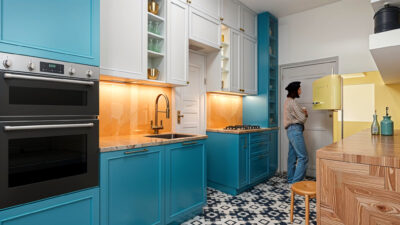
Through 3D models, spatial studies, and conceptual visuals, we make design intentions visible. This allows teams, stakeholders, and clients to see the same project, not different versions of it.
Ideas suggest possibilities.
Visualizations enable decisions.
By simulating space, scale, light, and materiality, visualizations become a decision-making tool rather than a presentation layer. They reduce uncertainty and support confident planning.
Ideas evolve in theory.
Visualizations evolve through iteration.
We use visualizations as part of the design process, not its conclusion. Concepts are tested, adjusted, and refined visually, allowing better outcomes long before construction or production begins.
Ideas are subjective
Ideas are subjective.
Visualizations create shared understanding.
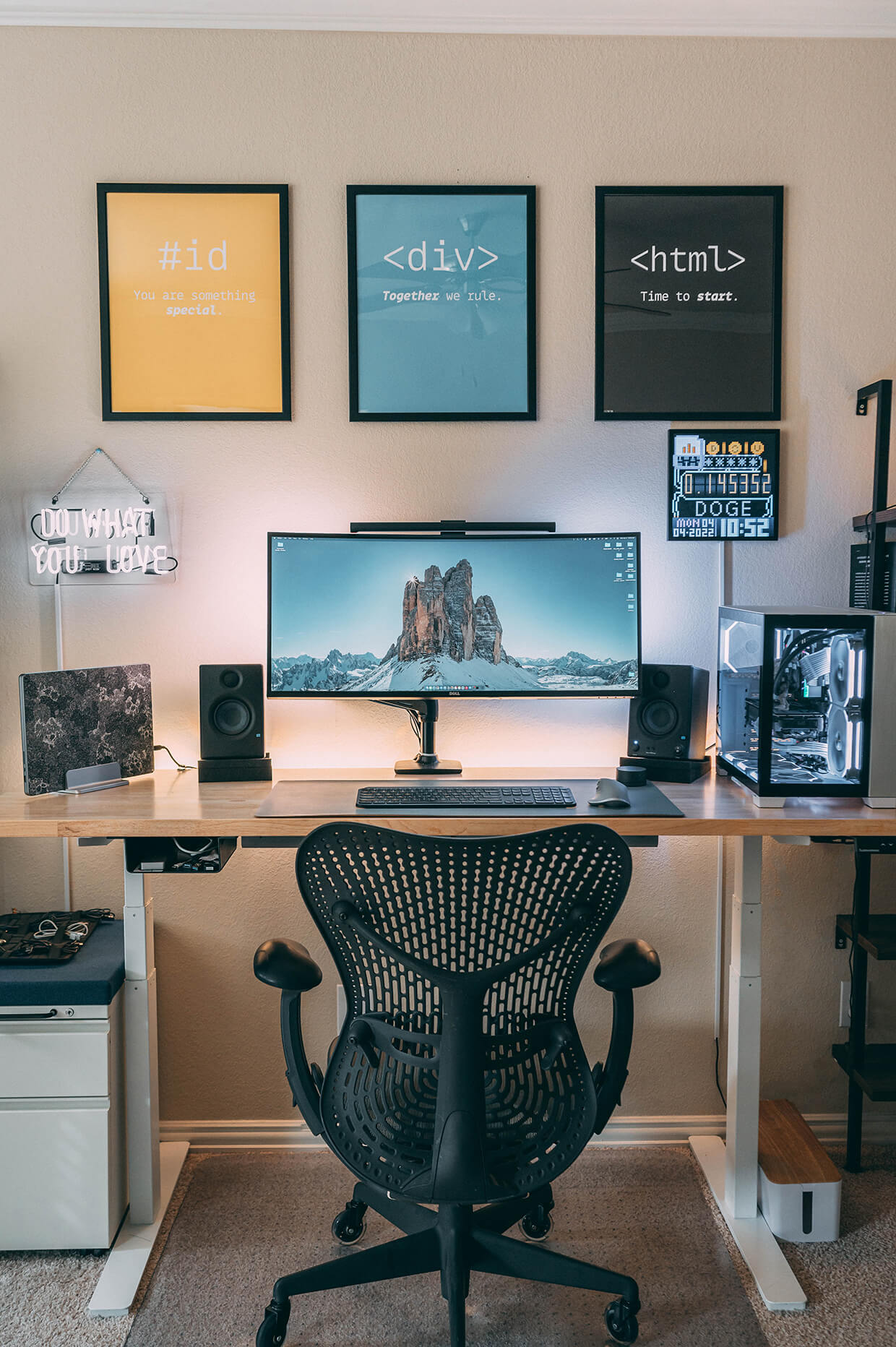
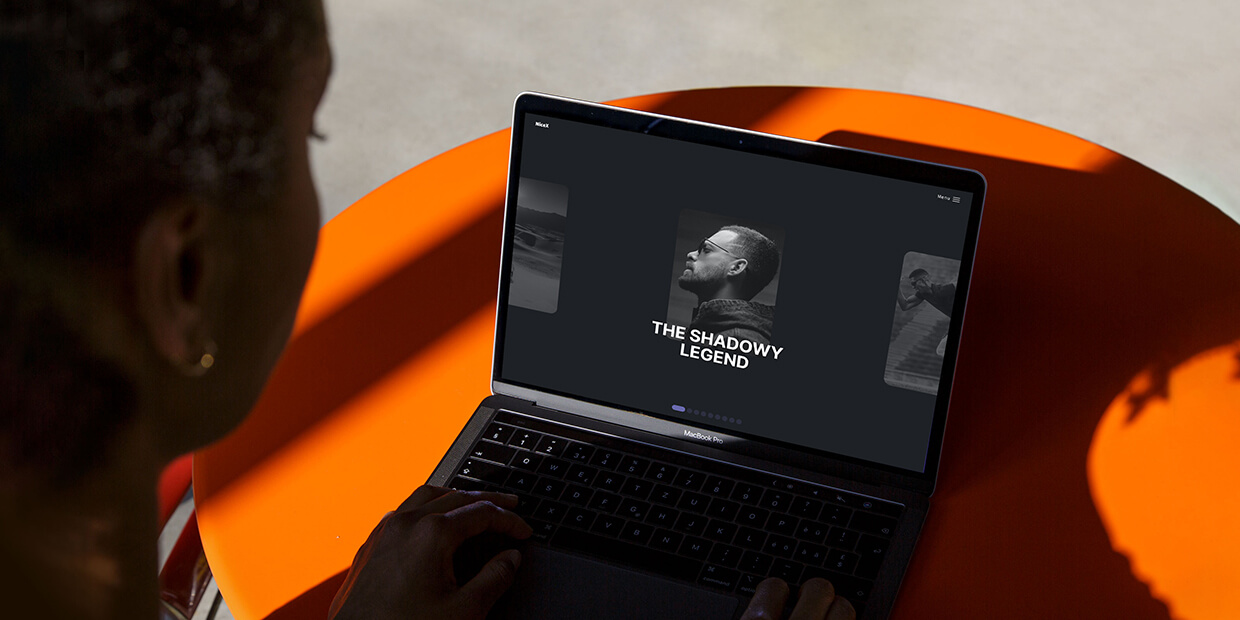
In complex projects involving multiple disciplines, visuals become a common language. They align design, technology, and storytelling into a single coherent vision.
Ideas imagine the future.
Visualizations make it visible.
At Artivio, conceptual design and visualization are tools for clarity. They turn potential into direction and vision into action.